Principal Investigator
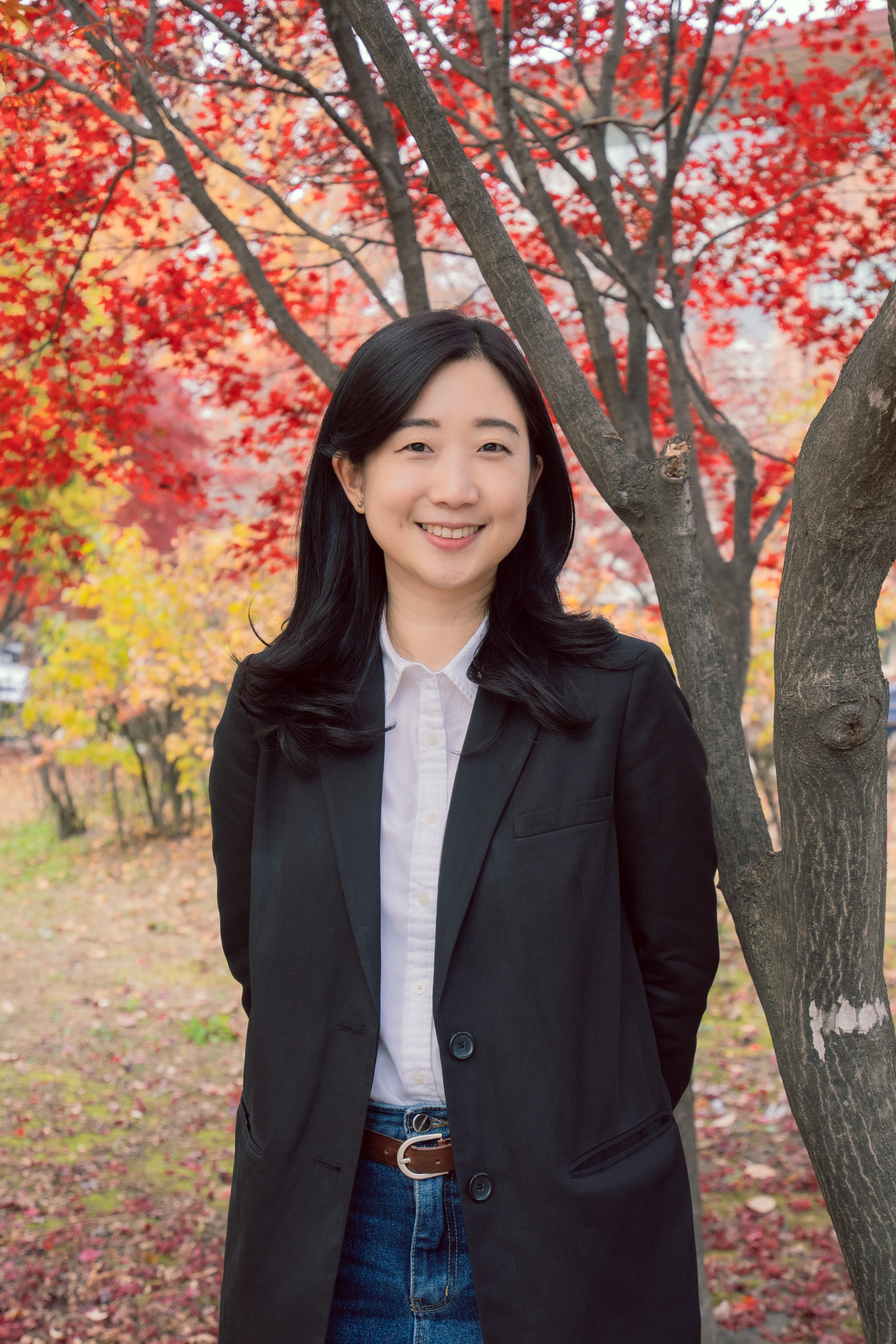
Seohyon Jung

Associate Professor, School of Digital Humanities and Computational Social Sciences
Seohyon Jung is an Associate Professor jointly appointed in the School of Digital Humanities and Computational Social Sciences and the School of Computing at Korea Advanced Institute of Science and Technology (KAIST). After receiving Ph.D. in English from Tufts University, she received a Humanities Fellowship from the Institute of Humanities at Seoul National University (SNU). She specializes in eighteenth and nineteenth century British literature, examining how fictional works represent historical structures of feeling at the intersections of culture, economy, and scientific discourses. Her current research interests cover the evolving relationships between literature, society and technology, with particular focus on the nineteenth-century understanding of population, capitalist productivity and reproduction, socio-historical conditions of labor, and translation. Please check out the Research section for detailed information on current projects. She is the co-editor of Edges of Transatlantic Commerce in the Long Eighteenth Century (Routledge, 2021), and her works have been published in Journal for the Eighteenth Century Studies, Victorian Literature and Culture, and Brontë Studies, among others. She welcomes collaborations with scholars across disciplines who are interested in innovative approaches to literary and cultural studies.
Postdocs
Min Kim
Ph.D., English Language and Literature
Min Kim is a postdoctoral researcher at DHCSS. She received her Ph.D. in English Language and Literature from Yonsei University, where her interdisciplinary work brought together literary theory, linguistics, and natural language processing. Her research lies at the intersection of computational literary studies, literary theory, and artificial intelligence. She is particularly interested in formalizing literary concepts computationally, using patterns on the textual surface to bring otherwise elusive structures into closer view. Her recent projects model spatial freedom through the gap between physical constraint and discursive range; quantify gaze as an organized system of visual attention whose forms, intensities, and distributions vary across characters and authors; and approach linguistic entropy as a form of textual energy whose dynamics may reveal structural distinctions between genres. Alongside this work, she studies literary generation and evaluation in large language models, including stylistic and narrative preferences, human–LLM writing, and the measurement of literary creativity. Across these areas, her research explores how computational methods can extend literary interpretation and develop new ways of understanding literary form, meaning, and creativity.
Ph.D. Students
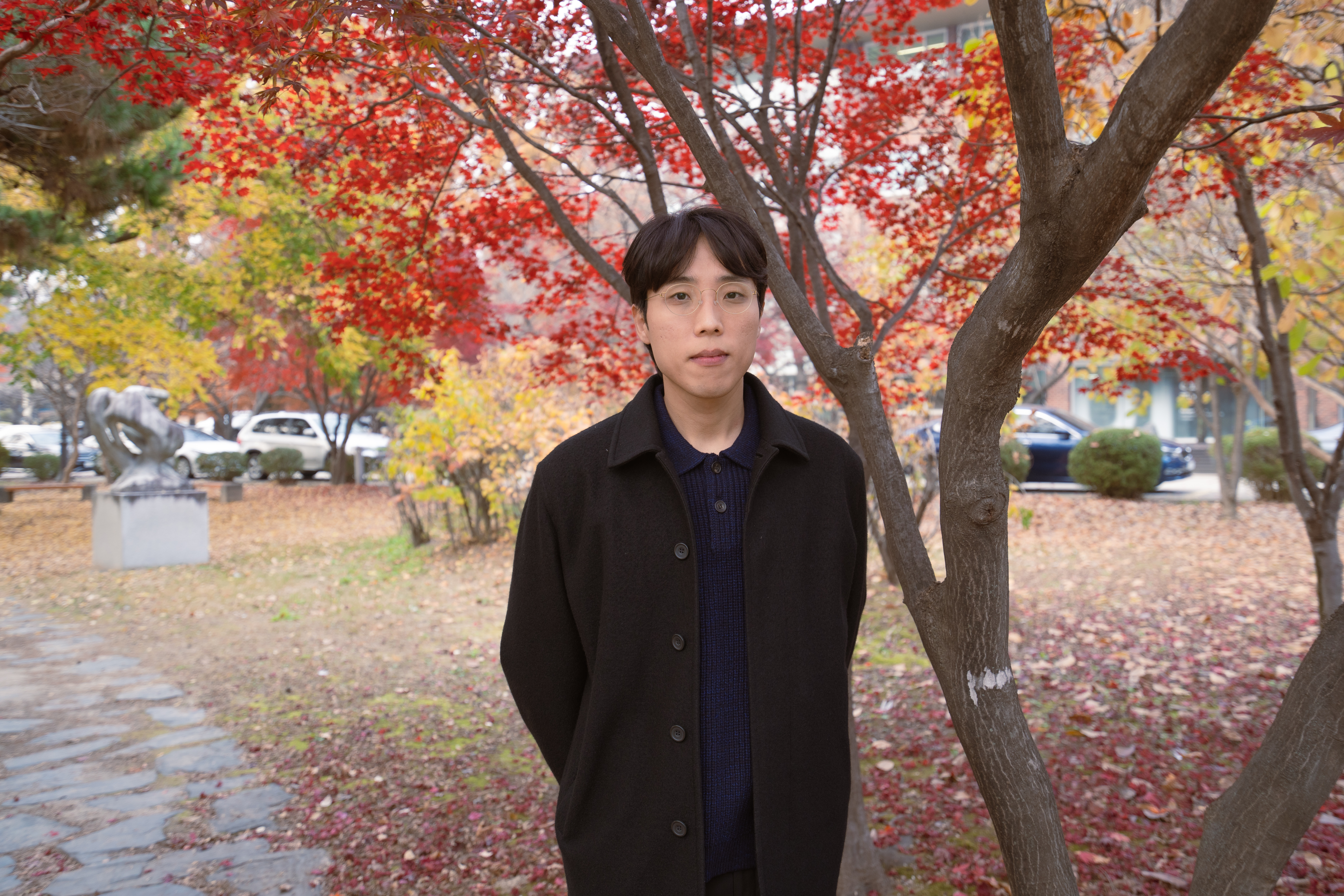
Donghoon Jung
M.S., Digital Humanities
B.A., Computer Engineering
Donghoon Jung studied computer engineering, human-computer interaction, and media art. Drawing on this scientific and creative knowledge, he aims to shed light on the unrevealed phenomena arising from technological causes such as large language models, in which ecological systems are being implicitly shaped as their structural patterns. His current interest lies in LLMs as research objects, from their superficial outputs to their internal structure, for computationally and theoretically interpreting their impact on our society. As a result of this research, he recently presented "Style over Story: Measuring LLM Narrative Preferences via Structured Selection" at the Findings of the Association for Computational Linguistics (ACL Findings 2026), and "Narrative Landscape: Mapping Narrative Dispositions Across LLMs" at the Workshop on Natural Language Processing for Digital Humanities (NLP4DH 2026).
M.S. Students
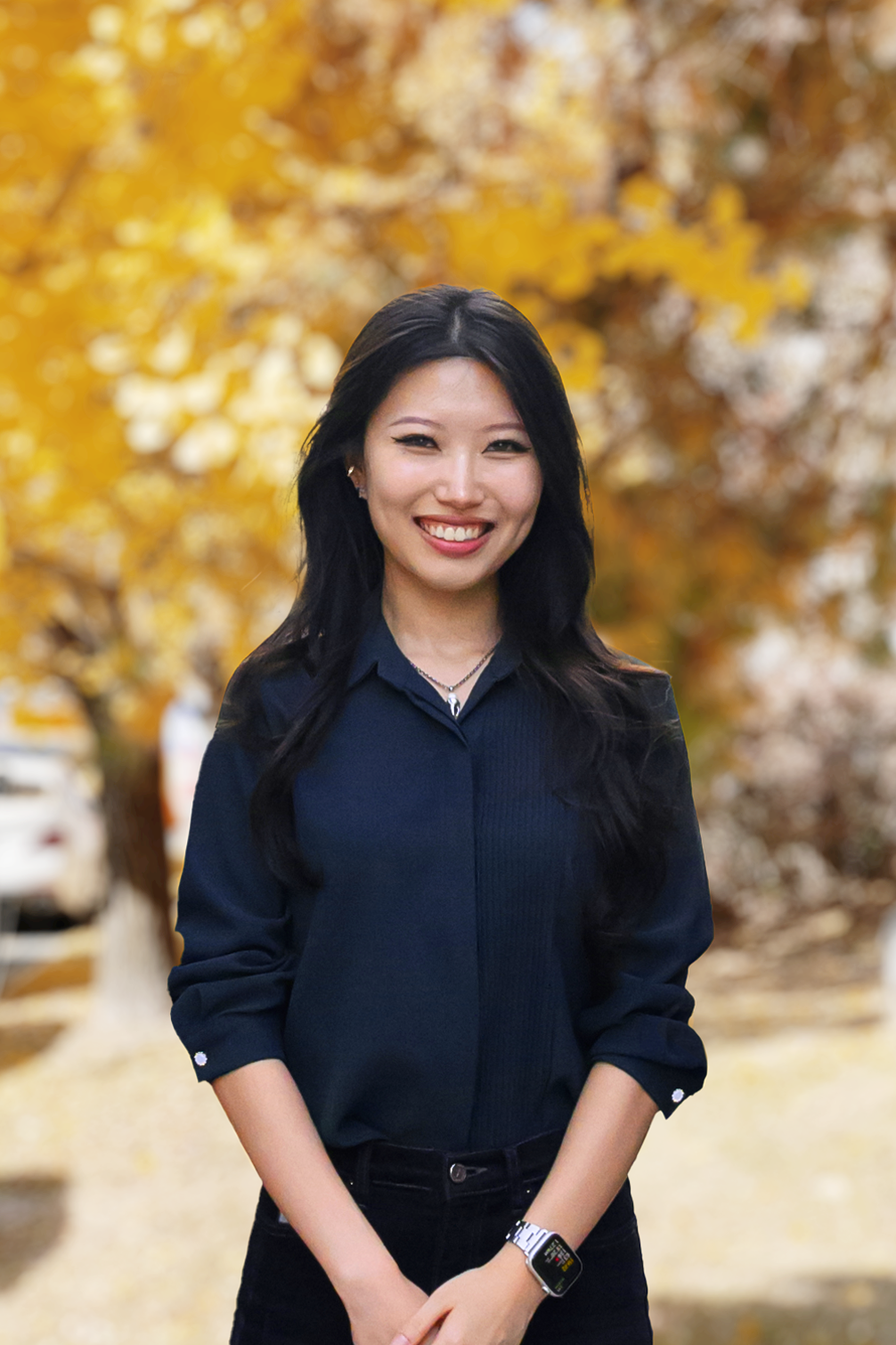
Jin Park
B.A., English Language and Literature
Jin Park is a Master’s student at the Graduate School of Metaverse. She holds a B.A. in English Language and Literature from Ewha Womans University, where she also completed the coursework for an M.A. with a focus on the minority literature of Toni Morrison. With over five years of experience as a creator in metaverse games, she examines how literary narratives can be translated into interactive virtual environments that allow users to experience stories directly. Her research interests include identity formation in digital spaces, the Proteus effect, and human–AI relationality. She is particularly interested in how virtual embodiment shapes narrative experience and interpersonal connection within immersive environments.
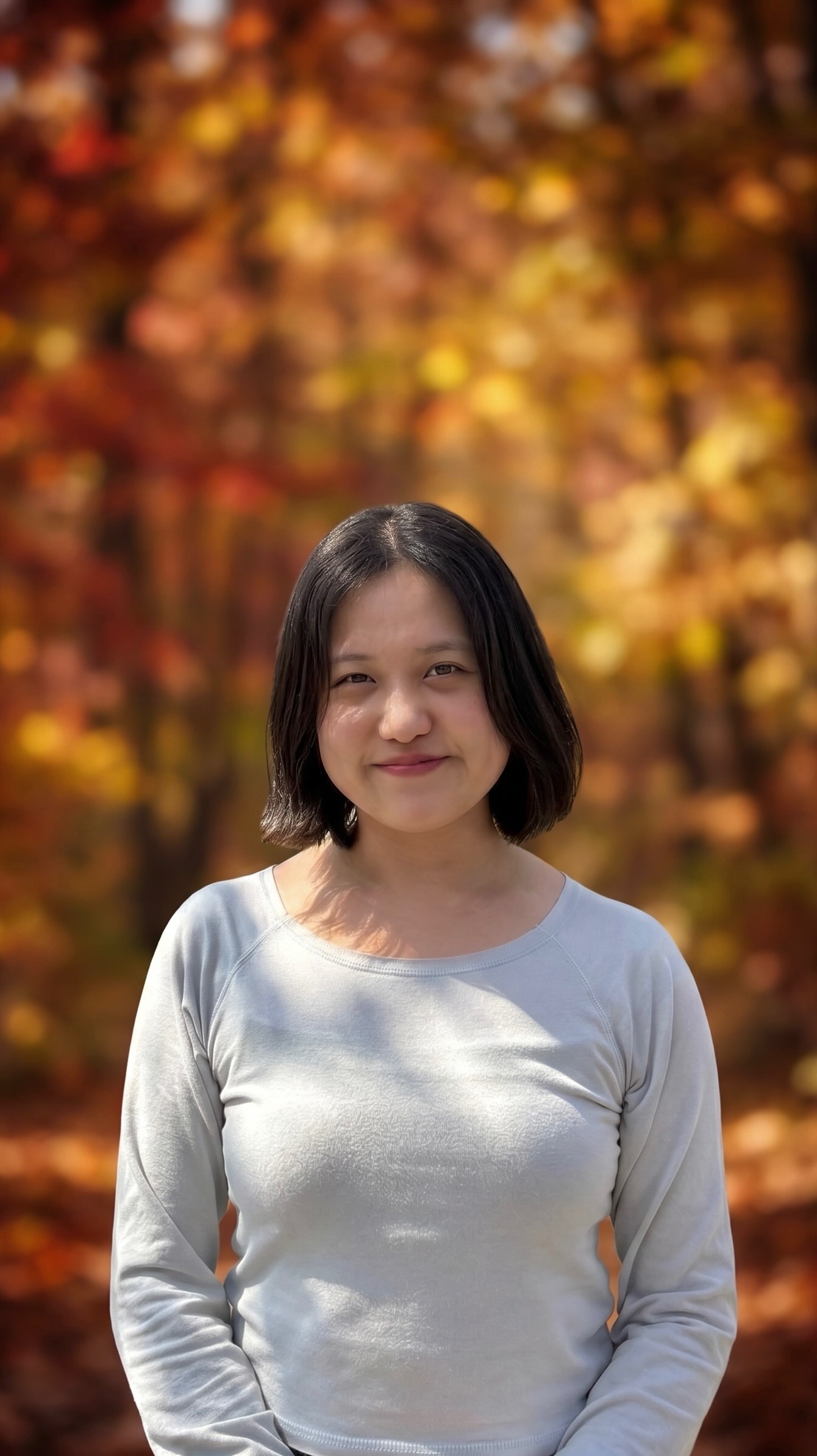
Seojin Choi
B.A., Culture and Technology
Seojin Choi is a master's student in the Graduate School of Digital Humanities and Computational Social Science at KAIST. During her undergraduate studies in Culture and Technology at Sungkyunkwan University, she explored the intersection of technology and the humanities, particularly in integrating digital methodologies into literary studies. Her undergraduate research project, "Young Writer's Awards: A Digital Humanities Diagnosis of Korean Literature Based on 15 Years of Data, Focusing on the Transfer and Spread of Critique” was an attempt to connect raw, unstructured reader voices from digital spaces to the established literary field by collecting and organizing them into a dataset. Currently at LitLab, she is turning her attention to broader questions in computational literary studies. Her current interest centers on framing LLMs as an emergent form of nonhuman reader, and on exploring how machine-generated language might interact with the traditional literary field.
Alumni
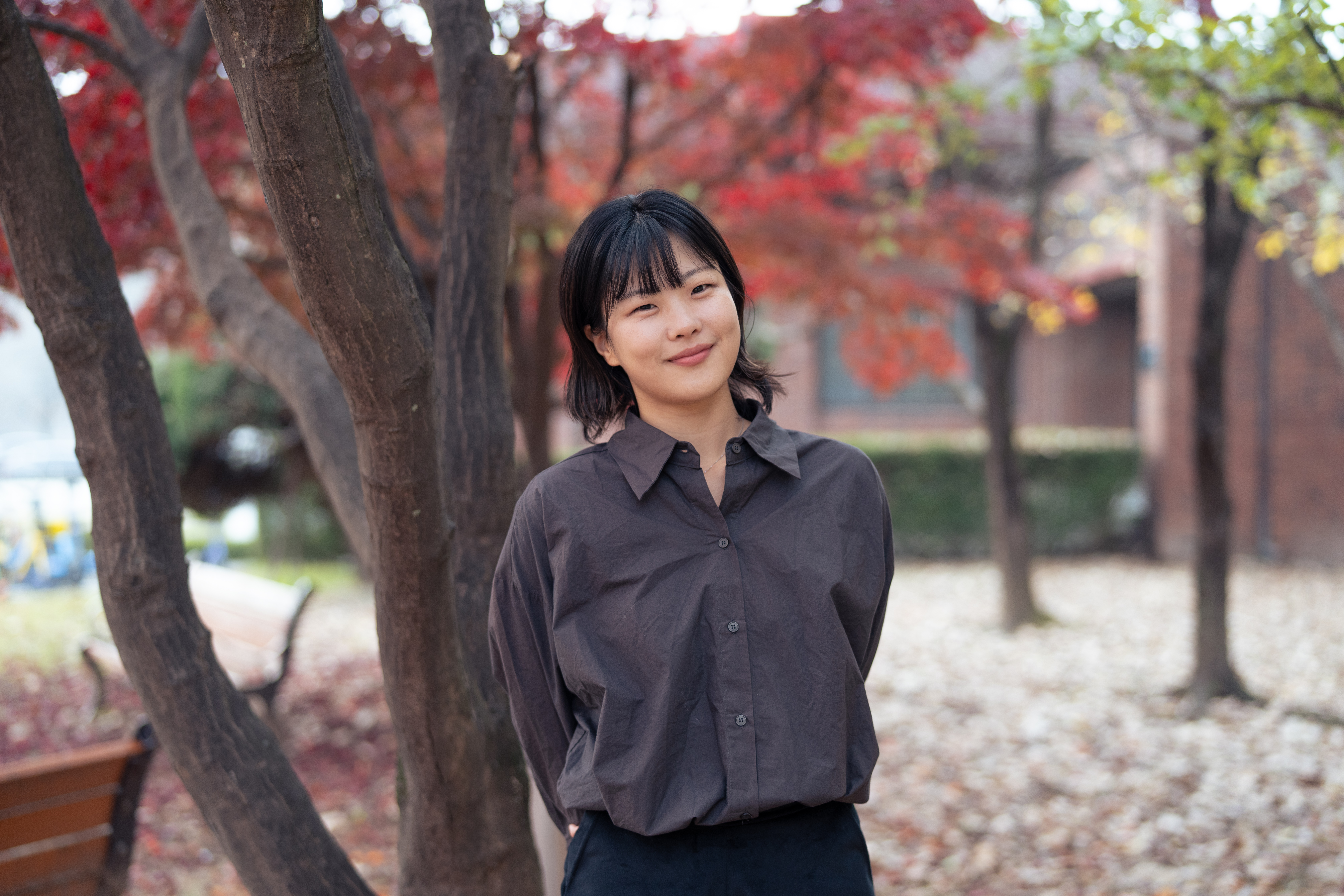
Woori Jang
M.S., Digital Humanities & Computational Social Sciences
B.A., Korean Literature
After earning her B.A. in Korean Literature and working as a journalist, Woori Jang developed a deep interest in patterns of human storytelling and cultural expression. This background led her to study digital humanities as an effective tool for observing and analyzing these patterns. Building on this foundation, her master's research focused on developing methodologies that complement traditional literary criticism through quantitative analysis of literary texts as data. Currently, she studies how Korean science fiction interacts with technological advancement in society, particularly examining how artificial beings like AI are interpreted and represented in literature. Her research combines computational approaches with cultural analytics, using LLMs for text annotation and character analysis. Her work includes “Evaluating LLM Performance in Character Analysis: A Study of Artificial Beings in Recent Korean Science Fiction.”
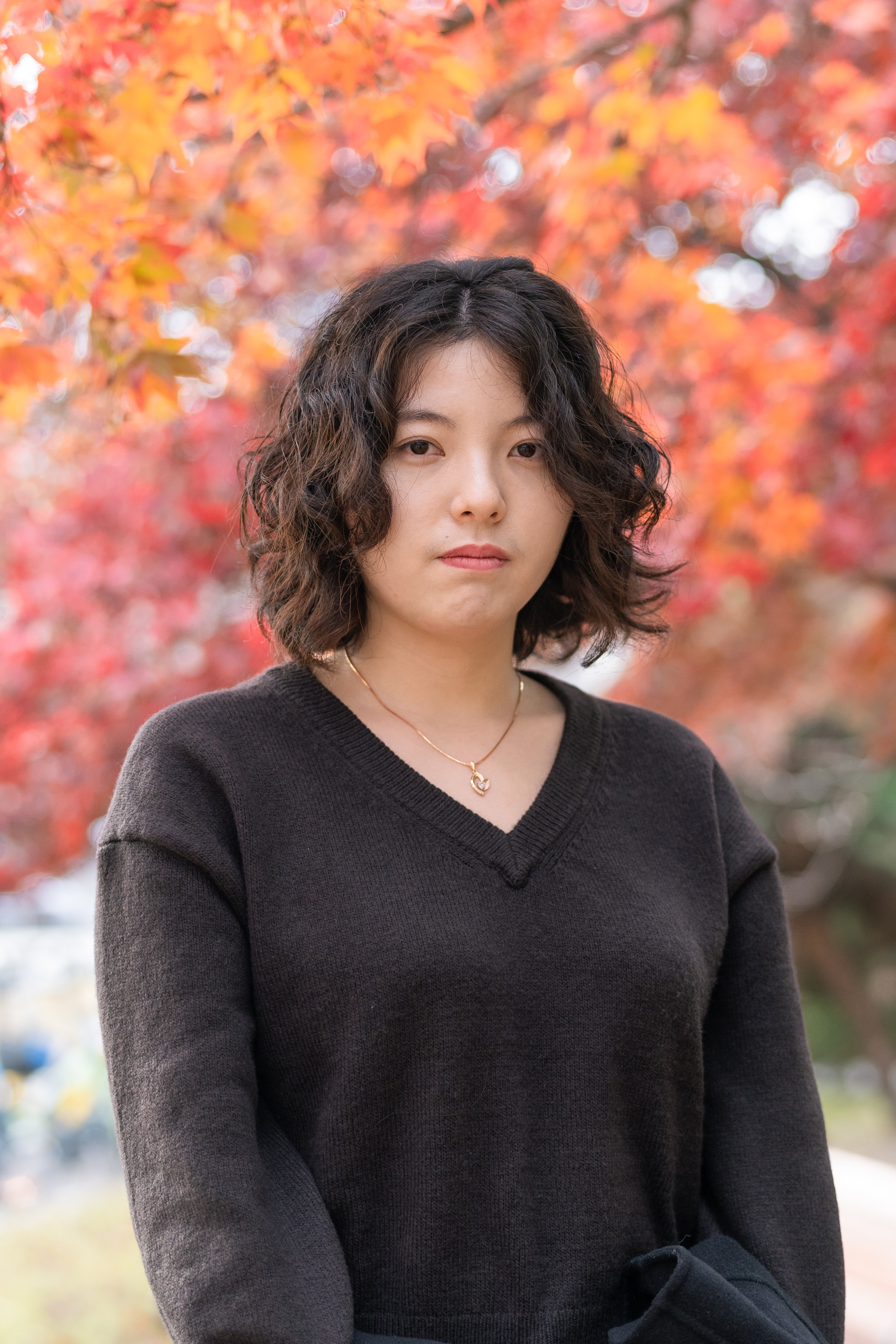
Jiwoo Choi
M.S., Digital Humanities & Computational Social Sciences
B.A., Data Science and English Language & Literature
As a master’s student in the School of Digital Humanities and Computational Social Sciences and a member of Litlab, Jiwoo’s research interests lie in English literature and its interpretation by diverse audiences. With a B.A. in Data Science and English Language & Literature, they aim to integrate digital methods into their study, using textual data to analyze narrative and cultural patterns. Additionally, they are particularly interested in examining literature through the lens of feminism and queer theory, exploring how these perspectives shape the reinterpretation of texts. One of their key research topics is the interaction between fanfiction, author, and society, specifically focusing on transgender fanfiction within the Harry Potter fandom.
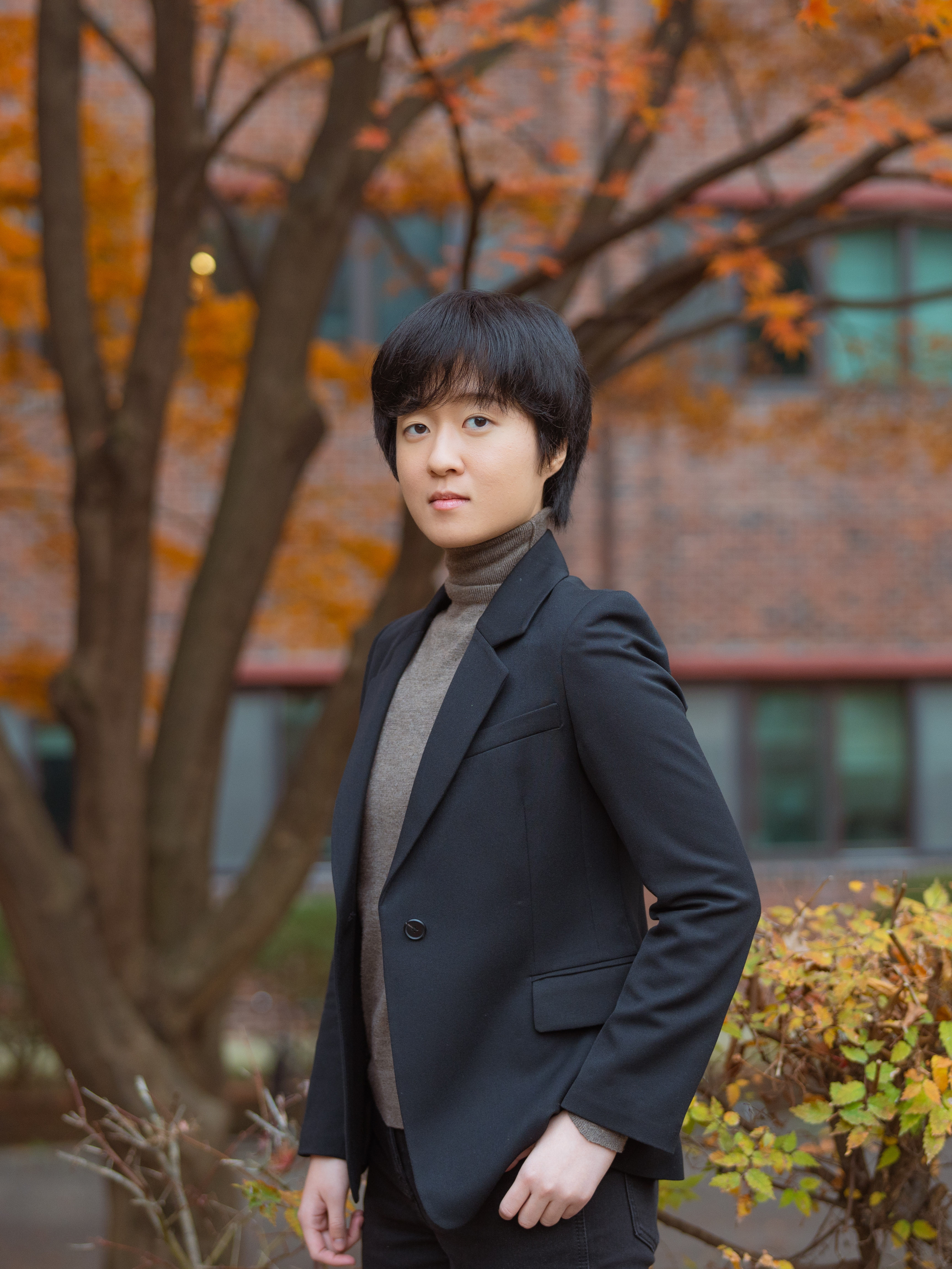
Eunhoo Lee
M.S., Digital Humanities & Computational Social Sciences
B.A., English Literature and Linguistics
Eunhoo Lee is a Master’s student at the School of Digital Humanities and Computational Social Sciences. She holds a Bachelor of Arts in English Language and Literature from Kookmin University. Her thesis research analyzes how readers distort space in a closed-circle mystery by Agatha Christie and perceive spatiality in a change of space to place during their reading. This project focuses on analyzing and visualizing Christie’s texts in terms of literary space. The research suggests a computational approach to reading detective fiction from literary geographical and narratological perspectives. Eunhoo has participated in several projects. She has written an article “Feminism Reboot and the Evolution of Korean BL” as one of three authors since December 2023. In particular, she created a database of the world classics from the National Library of Korea in 2024 which became a part of the “Korean Memory” digital archive. For a year, she collected and analyzed text and image data from the world classics: Korean-translated novels, short stories, essays, poems, and drama from the 1950s to 1960s and since 2024. After the analysis, she wrote about the results, finding and comparing characteristics in texts and images of each publishing company from different ages.